Getting Started with SDR
This is an image of a Linux distribution that can help you get started.
💾 Download ISO Image (7GB)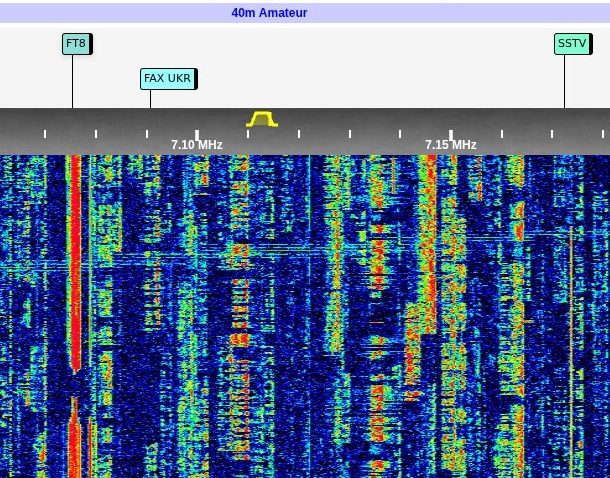
Web SDR gives you a way to try out SDR without even buying a radio.
Enthusiasts around the world have generously installed SDRs and made them available on the web.
All you need is an internet connection, a web browser and some help to get started.
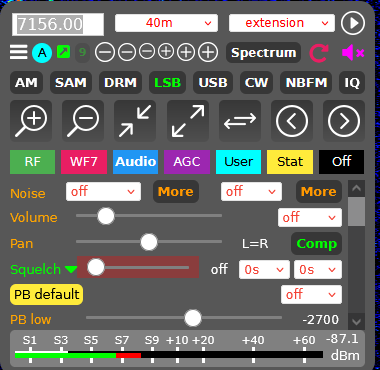 If you would like to find out more download a free presentation that acts as a guide.
Essentially your web connection allows you to listen in and control an SDR remotely, with the guide
showing:
If you would like to find out more download a free presentation that acts as a guide.
Essentially your web connection allows you to listen in and control an SDR remotely, with the guide
showing:
- Examples of web SDRs and where you can find others
- How to control kiwiSDR, which is one of the most common
- How to record IQ data for further processing
- Examples of processing recorded signals using GNU Radio
- Some of the dedicated decoders available via web SDRs
In the guide, processing of recorded file is illustrated using GNU Radio. This is a fantastic, open source, cross platform tool for discovering DSP. There are installation instructions here or you can use the button at the top of the page for a download with all that pre-installed. Note that it is quite large (~7GB) and depending on your internet connection will take several minutes to download. When finished, unzip it to see 4 files, 3 are information and 1 is the Ubuntu ISO image file. From there you can follow the instructions to create a boot disk, learn more from the getting started guide and be able to use GNU Radio for yourself.
To start listening to WebSDR straight away, try looking at the world map to see how many SRDs are out there, pick one and give it a try. Two good examples in different time zones are GB0SNB and KFS ; the latter of which has several SDRs on an established radio station site. Remember that radio propagation varies considerably with frequency and time of day, so if you don’t see any activity on the radio you pick, it may just be quiet at that moment; try another band or location. With Web SDR, the world really is at your fingertips.